Understanding the Currain Wall System
The Currain wall system has emerged as a pivotal element in modern architectural design, especially in high-rise buildings and large commercial spaces. This innovative system combines aesthetics with functionality, allowing architects and builders to create stunning exteriors that are not only visually appealing but also structurally effective. Understanding the nuances of the Currain wall system is essential for those involved in construction and design, whether as architects, builders, or homeowners. This article explores the components, benefits, and installation strategies of Currain wall systems, alongside addressing some common challenges faced in their implementation.
What is a Currain Wall System?
A Currain wall system is essentially a non-load-bearing façade that is attached to a building's structure, creating an outer covering that serves multiple purposes. Unlike traditional walls, which support the weight of the structure, a Currain wall system acts primarily as a shield against environmental elements. This system can be composed of various materials, including glass, aluminum, and steel, and is designed to provide structural stability while contributing to the overall thermal performance of the building.
Key Components of Currain Wall Systems
Several critical components constitute a typical Currain wall system. These include:
- Frames: The structural framework, generally made from aluminum or steel, provides the essential support for the panels.
- Panels: These can be made from glass, metal, or composite materials, allowing for customization in aesthetics and functionality.
- Sealants: Proper sealing materials are crucial to ensure weatherproofing and energy efficiency.
- Fasteners and Connectors: Depending on the design, various fastening techniques are utilized to secure panels to the frame effectively.
The Importance of Material Quality
Choosing high-quality materials for a Currain wall system cannot be overstated. The performance and longevity of the system depend significantly on the strength and durability of the materials used. For instance, aluminum frames are favored for their lightweight properties and resistance to corrosion, especially in coastal environments like Fujairah. On the other hand, glass panels must meet specific standards for thermal efficiency and safety to withstand environmental stresses.
Benefits of Currain Wall Systems in Modern Architecture
Incorporating a Currain wall system into a building design offers numerous benefits, making it a preferred choice among architects and builders.
Energy Efficiency and Sustainability
One of the standout features of the Currain wall system is its contribution to energy efficiency. Through the use of insulated glass panels and premium framing systems, these walls can significantly reduce a building's energy consumption by minimizing heat loss in colder climates and heat gain in warmer conditions. This energy efficiency aligns with sustainable building practices and can also qualify structures for green certifications.
Design Flexibility and Aesthetic Appeal
Currain wall systems are synonymous with design flexibility. They can be crafted into various shapes and sizes, easily accommodating the creative visions of architects. The use of different materials allows for striking visual effects and enhances the overall aesthetic appeal of the building. For example, glass panels can provide a transparent effect that invites natural light, creating an inviting atmosphere within the structure.
Durability and Weather Resistance
Built to withstand harsh weather conditions, Currain wall systems are designed with durability in mind. Their resistance to wind loads, rain penetration, and thermal expansion makes them highly suitable for diverse climates, particularly in areas prone to extreme weather. This durability translates into lower maintenance costs and longer lifespans for the buildings utilizing these systems.
Implementation Strategies for Currain Wall Systems
Successfully implementing a Currain wall system involves careful planning and execution. Here are some essential strategies to consider.
Planning and Design Considerations
Before installation, thorough planning is crucial. This includes selecting appropriate materials, understanding the building's structural requirements, and ensuring compliance with local building codes. Collaboration with architects and structural engineers will facilitate a seamless integration of the Currain wall system into the overall design.
Installation Best Practices
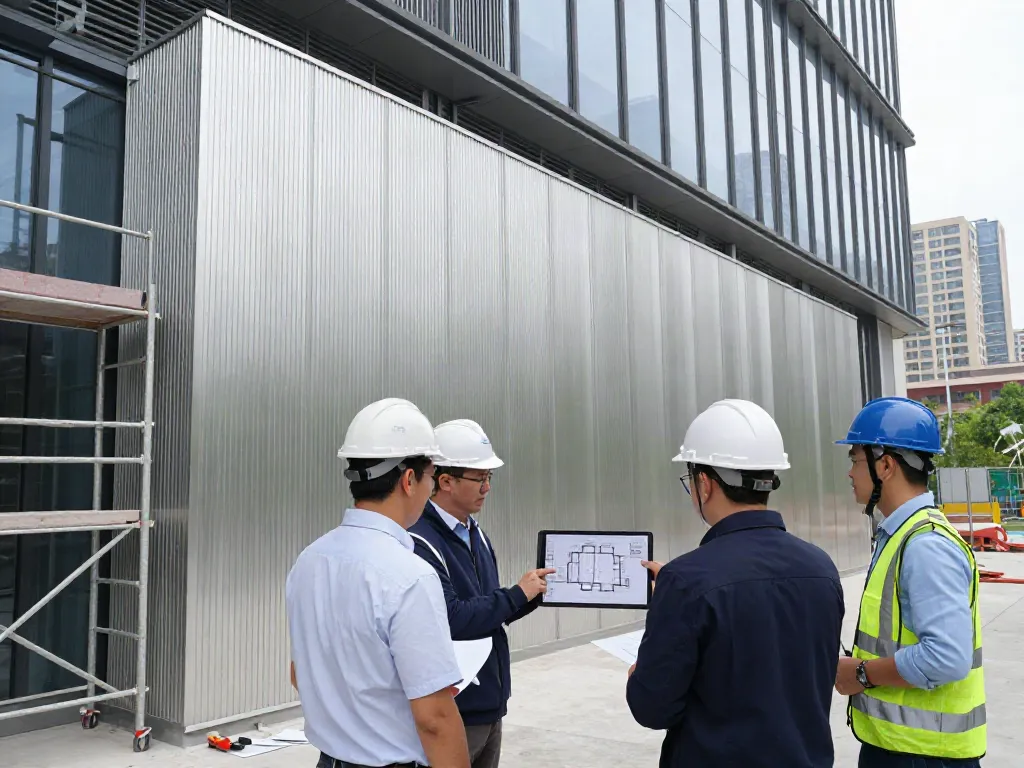
Installation of a Currain wall system should be conducted by experienced professionals. Best practices include ensuring precise measurements are taken, proper sealing techniques are applied to prevent moisture intrusion, and continuous inspections during installation. Utilizing advanced technologies, such as prefabrication or modular construction techniques, can streamline the process and reduce on-site labor.
Managing Project Timelines and Costs
Effective project management is vital to meet timelines and budget constraints. Setting realistic deadlines, communicating clearly with all stakeholders, and maintaining a detailed project timeline will help anticipate challenges and ensure a smooth workflow. Furthermore, having an itemized budget that outlines specific costs associated with materials and labor can assist in keeping the project on track financially.
Common Challenges with Currain Wall Systems
While the benefits are substantial, several challenges can arise when implementing Currain wall systems.
Addressing Installation Issues
Installation challenges can lead to significant consequences if not managed properly. Common issues include misalignment of panels, seal failures, and structural inadequacies due to poor construction practices. It is essential to conduct regular site inspections and keep open lines of communication with all contractors to mitigate these risks.
Understanding Maintenance Requirements
Although Currain wall systems are durable, they still require regular maintenance to ensure their optimal performance. Routine inspections should include checks for sealant integrity, cleaning of glass surfaces, and assessment of structural components. Proper maintenance practices can prolong the life of these systems and maintain their energy efficiency.
Mitigating Environmental Factors
Environmental factors, such as humidity, wind loads, and temperature fluctuations, can affect the performance of Currain wall systems. Selecting materials that are resistant to these environmental conditions is crucial, as is designing the wall system to accommodate any potential movement due to thermal expansion.
Future Trends in Currain Wall Technology
The landscape of Currain wall technology is continually evolving. Staying abreast of these trends is essential for architects and builders.
Innovative Materials and Techniques
Future innovations in materials, such as advanced composites and nanotechnology, are expected to enhance the performance of Currain wall systems. These materials could offer better thermal insulation, increased durability, and improved resistance to weathering.
Smart Building Integrations
As the Internet of Things (IoT) continues to expand, smart building technologies are becoming integrated into Currain wall systems. Features such as smart glass that can change opacity based on sunlight levels can improve energy efficiency and occupant comfort.
Predictions for 2026 and Beyond
Looking ahead to 2026, the demand for Currain wall systems is projected to grow due to an increase in high-rise developments and sustainable building practices. Architects will continue to leverage these systems for their aesthetic and functional benefits, while advancements in technology will address existing challenges in installation and maintenance.
What is a curtain wall system?
A curtain wall system is a non-load-bearing wall that acts as a façade, typically seen in high-rise buildings where large glass panels are used to create a sleek, modern appearance while providing structural support from the framework of the building itself.
How does a Currain wall system compare to traditional walls?
Unlike traditional walls that are load-bearing and integral to a building's structure, Currain wall systems are non-load-bearing and primarily serve as protective shells. This allows for greater flexibility in design and construction, often resulting in lighter structures and improved energy performance.
What are the installation steps for a Currain wall system?
The installation process typically involves several stages: secure the framework, attach insulation, fit the glass or panels, apply sealants, and conduct final inspections to ensure integrity and performance.
How do Currain wall systems contribute to energy efficiency?
Currain wall systems enhance energy efficiency by using insulating glass and materials that reduce heat transfer, thereby minimizing the need for heating and cooling systems and leading to significant energy savings in the long run.
What maintenance practices extend the lifespan of Currain wall systems?
To prolong the lifespan of Currain wall systems, regular cleaning of surfaces, inspections for sealant integrity, and immediate attention to any issues such as cracks or leaks are recommended. Maintaining a schedule for these practices ensures optimal performance and longevity.